You have made the decision that the Gulf is the place of your business. Smart thinking. The six countries composing the GCC, including the UAE, Saudi Arabia, Qatar, Kuwait, Bahrain, and Oman, are one of the most vibrant and business friendly zones in the world. The cumulative GDP of the two countries is above 2.5 trillion with a government-supported economic diversification strategy underway, making this the best opportunity to put your foot in this door.
But just what is the place of beginning? Which country would be the most logical to your kind of business? This GCC business setup guide walks you through everything, from comparing all six nations to a step-by-step breakdown of Dubai company formation, so you can make informed decisions and avoid costly mistakes from day one.
Why the Gulf? A Quick Reality Check
Before getting into the mechanics, it is worth understanding what actually makes business setup in Gulf countries so compelling for foreign investors.
The UAE alone has experienced an increase in its GDP by over $349 billion in 2020 to more than 545 billion in 2024, and the predictions are expected to be even higher under the We Are UAE 2031 plan. That growth is not a fluke. It is a direct consequence of the intentional policy changes, reformed laws on ownership, greater free zones, and long-term investment in infrastructure.
Most GCC countries have no or minimal personal income tax, low or zero corporate tax on eligible companies, excellent logistics making networks, young and rapidly expanding consumer markets, and a legal framework that is increasingly accommodating to foreign entrepreneurs. The vision 2030 of Saudi Arabia, Qatar, and such roadmaps in Oman, Kuwait, and Bahrain are all indications that the governments are not only laying short-term incentives, but long term ecosystems to do business.
The question is this, where are you going to find a place in the world to establish a company in less than 24 hours, to pay no personal income tax, and to have a market of more than 50 million consumers within the two-hour flight range?
GCC Business Setup Guide | Country-by-Country Comparison
All businesses are not something that can fit in all Gulf countries. The following is a realistic account to assist you focus down made available before you get into paperwork.
|
|
|
|
|
|
|
|
|
|
|
|
|
|
|
|
|
|
|
|
|
|
|
|
|
|
|
|
|
|
|
|
|
|
|
|
|
|
|
|
|
|
UAE, and Dubai in particular, are always rated top in terms of regulatory simplicity, speed of establishment and general investor confidence. That is why most first-time entrants to the region choose to setup business in UAE before expanding regionally.
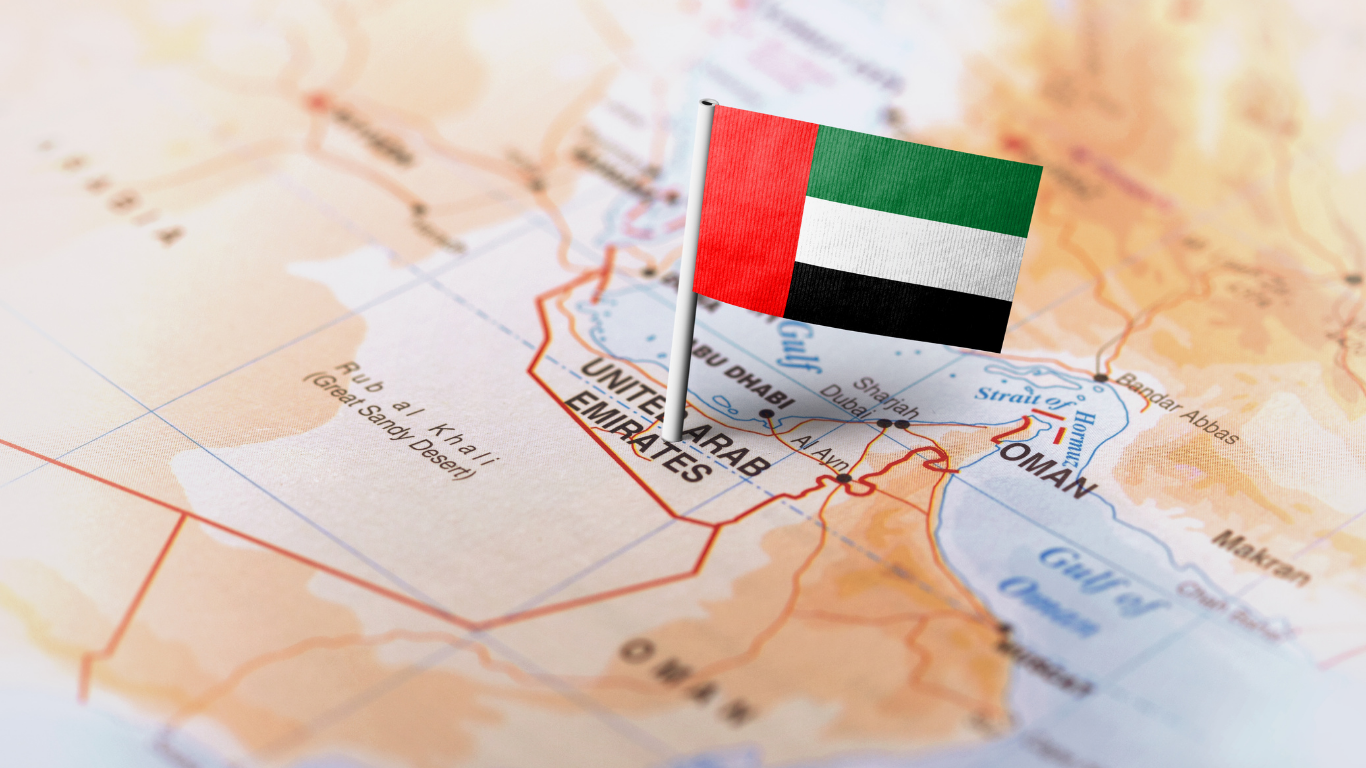
How to Open Company in the Middle East | Choosing the Right Structure
You can be dealing with the UAE or any other GCC market in which case you are confronted with the first actual choice that is one of legal structure. This is reduced to three main options in the UAE.
Mainland Company
A mainlanding firm, which is registered by the k(DED) , affords you the maximum freedom of operations. It is possible to trade anywhere in the UAE, enter into agreements directly with government agencies, and establish physical offices in the country. The vast majority of business activities can now be 100 percent foreign owned after the extensive legal changes that were implemented in 2021, however, a few of the more sensitive sectors to the strategy still need an Emirati partner.
One of the major conditions to be aware of beforehand: the physical office that the company intends to lease on the mainland should have no less than 200 square feet. Virtual offices are not tolerated. Initial registration costs are usually AED 20,000 and AED 60,000 depending on your activity and the emirate of your choice.
Free Zone Company
There are more than 30 active free zones in Dubai alone and each of them is constructed on the foundation of a certain industry cluster. DMCC is a front-runner in trading and commodities. Dubai Internet City provides services to technology companies. DIFC is the most important financial centre of the region. JAFZA has a monopoly in manufacturing and logistics.
Free zones provide 100 percent foreign ownership with no local partner prerequisite, complete repatriation of earnings and capital, no currency limitations and possible 0 percent corporate tax on qualifying earnings. The trade-off is that free zone companies are not allowed to sell directly into the mainland market of the UAE without any local distributor or separate mainland license.
Most free zones have set up fees that are as low as AED 15,000, which is why companies coming in with startups and smaller operations will find them as an easier gateway.
Offshore Company
The UAE also employs offshore structures mainly on international trade, holding of assets and wealth management. They do not need a physical office, they are not subject to UAE taxation on profits, and their level of privacy is high. They do not fit the companies that are interested in active activity on the UAE domestic market.
Not sure what structure would suit your business? That decision alone will define your expenditures, your access to the market and your tax position in the coming years. Get it right from the start.
Dubai Company Formation | A Step-by-Step Walkthrough
For most entrepreneurs, Dubai company formation is the logical starting point. The following is the look of the process as a whole.
|
|
|
|
|
|
|
|
|
|
|
|
|
|
|
|
|
|
|
|
|
|
|
|
|
|
|
|
|
|
|
|
|
|
|
|
Simple free zone arrangements can have a time frame as low as 24 hours. Mainland filing and those companies with more than one shareholder or complicated operations normally require between five and ten working days.
Costs You Should Actually Plan For
Another way that most guides fail you is by providing you with the true vision of the total costs other than the headline price. When you start business in UAE, here is the fuller breakdown.
|
|
|
|
|
|
|
|
|
|
|
|
|
|
|
|
|
|
|
|
|
|
|
|
|
|
|
|
These are working estimates. The price depends greatly, based on the certain free zone, the character of the business flows, the quantity of visas needed, and your choice to use the services of the setup consultant. An example is in DMCC where the minimum capital required to start a general trading license is AED 1 million, whereas the majority of other types of activities have a minimum capital requirement of AED 50,000.
Something that most competitors are not open about: the first license fee is nearly always the lowest cost. Rent, visa visa processing, maintenance of bank accounts and yearly renewals are much more rapid in accumulation. Budget the budget with the big picture in mind.
Thought from Flyingcolour®
Expanding a business into the Gulf region has become an increasingly attractive strategy for international entrepreneurs. Countries such as the UAE, Saudi Arabia, Qatar, and other GCC nations are investing heavily in innovation, infrastructure, and foreign investment, creating a strong foundation for global businesses to grow. Among these destinations, the UAE and Dubai continue to stand out as leading gateways for companies looking to enter the broader GCC market.
However, setting up a business in the Gulf is not simply about registering a company. Each country has its own regulatory framework, licensing requirements, and market dynamics. Choosing the right jurisdiction, understanding local compliance rules, and aligning the business structure with long term expansion plans are essential steps for sustainable success.
At Flyingcolour®, we help entrepreneurs navigate these complexities with clarity and confidence. From selecting the right business jurisdiction to handling licensing, tax registration, and compliance, our team supports businesses throughout their GCC expansion journey. With the right guidance and planning, companies can successfully establish a strong presence across the UAE, Dubai, and the wider Gulf region while unlocking new global opportunities.
Call our team today and have a free consultation and we will find the right structure, the right jurisdiction and the right entry point to the Middle East market.
Frequently Asked Questions
Is it possible to have 100 percent of a firm in the UAE owned by a foreigner?
Yes. Following the legal changes that have been implemented in 2021, the vast majority of business operations on the mainland and all free zones permit 100% foreign ownership. There are few strategic sensitive industries that still demand an Emirati partner or agent.
How long does Dubai company formation take?
Free zone establishment may take a mere 24 hours to accomplish simple tasks. Formation of mainland companies normally requires between five to ten working days on the type of activity and documentation.
What is the minimum capital requirement of UAE companies?
Most mainland companies do not have a minimum share capital that is obligatory. In free zones it varies. Most activities at DMCC cost AED 50,000 per company, whereas a General Trading License at DMCC costs AED 1 million. In some free zones, the amount required is as low as AED 1,000.
Do I need a physical office to start business in the UAE?
The minimum requirement of physical office space by the mainland companies is 200 square feet. The smaller operations and remote-first teams have easier access to flexi desk and virtual office services in free zones.