The economic landscape of the Middle East has long been a focal point for European expansion, and for the French investor, the appeal of the United Arab Emirates remains unparalleled. As France continues to strengthen its bilateral trade ties with the UAE, the demand for sophisticated corporate structures has grown. At the core of this expansion is the Dubai free zone model, a series of specialized economic jurisdictions that offer 100 percent foreign ownership, tax optimization, and world-class infrastructure.
For a French entrepreneur, choosing a Dubai free zone is not merely an administrative choice: it is a strategic decision that affects market access, supply chain efficiency, and long-term capital repatriation. This 3000-word guide, presented by Flyingcolour®, provides an exhaustive analysis of the Emirates' free zone ecosystem. We will explore the logistics power of the Jebel Ali Free Zone in Dubai, the specialised nature of the Dubai Airport Free Zone, and the regulatory nuances that make these jurisdictions the premier choice for international business in 2026.
Dubai Free Zone Ecosystem
A Dubai free zone is a geographically defined area that operates under its own unique set of rules and regulations, distinct from the UAE Mainland. These zones were established to attract foreign direct investment by providing a "plug-and-play" environment where the barriers to entry are significantly lower than in traditional onshore jurisdictions.
For the international community, particularly those from the EU, the Dubai free zone provides a sense of familiarity. Most zones operate under regulations that are heavily influenced by international business standards and, in some cases like the DIFC or ADGM, utilize a legal framework based on English Common Law. This provides French investors with a level of legal predictability and protection for their intellectual property and capital that is essential for cross-border operations.
Incentives within a Dubai Free Economic Zone
The primary reason to establish a presence within a Dubai free economic zone is the suite of financial and operational incentives offered to foreign capital. These benefits are codified in the law to ensure stability and trust.
The most significant incentive within a Dubai free economic zone is the guarantee of 100 percent foreign ownership. On the UAE Mainland, certain activities used to require a local partner; however, the free zone model has always championed total autonomy for the investor. Furthermore, these zones offer 100 percent repatriation of both capital and profits back to France, with no currency restrictions. When combined with the potential for 0 percent Corporate Tax on qualifying international income, the Dubai free economic zone becomes one of the most cost-effective headquarters locations in the world.
Advantage of Freezone Dubai Setup
The process of initiating a Freezone Dubai business setup has been transformed by the government's commitment to digital transformation. In 2025 and 2026, the administrative friction of starting a company has been largely eliminated through the "Paperless" initiative.
A Freezone Dubai registration can often be initiated remotely from Paris, Lyon, or Marseille. The use of digital signatures and unified government portals allows entrepreneurs to reserve trade names, upload passport copies, and receive initial approvals without the need for immediate travel. This efficiency is a hallmark of the Freezone Dubai experience, allowing founders to focus on their market entry strategy rather than being bogged down by legacy bureaucracy. Flyingcolour® manages this entire digital workflow to ensure that by the time you arrive in the UAE, your legal foundation is already secure.
The Dubai Airport Free Zone (DAFZA)
For French companies involved in high-value goods, electronics, or time-sensitive consulting, the Dubai airport free zone (often referred to as DAFZA) is the premier choice. Its location immediately adjacent to Dubai International Airport (DXB) provides a logistical edge that is difficult to replicate.
The Dubai airport free zone is designed for speed. Companies located here benefit from rapid customs clearance and immediate access to one of the world's busiest air cargo hubs. For a French electronics distributor or a luxury goods firm, being in the Dubai airport free zone means reducing the time between order and delivery to a matter of hours. The zone also offers a wide array of office solutions, from smart desks for freelancers to executive suites for multinational branches, all within a high-security environment that facilitates rapid global movement.

The Jafza Free Zone (Jebel Ali)
If the airport zone is about speed, the Jafza free zone is about scale. Located at the heart of the world's largest man-made harbor, the Jafza free zone is the industrial and logistics backbone of the Middle East.
The Jafza free zone (Jebel Ali Free Zone) is the ideal home for French firms engaged in manufacturing, large-scale assembly, or bulk trading. It offers massive plots of land, pre-built warehouses, and industrial units that are directly connected to the port's terminal. Operating within the Jafza free zone allows businesses to benefit from an integrated multimodal logistics platform, where goods can move from a container ship to a truck or a rail line with minimal delay. This zone is a primary driver of the UAE's non-oil trade, hosting thousands of global companies that utilize it as their regional distribution center.
Connectivity in Jebel Ali Free Zone Dubai
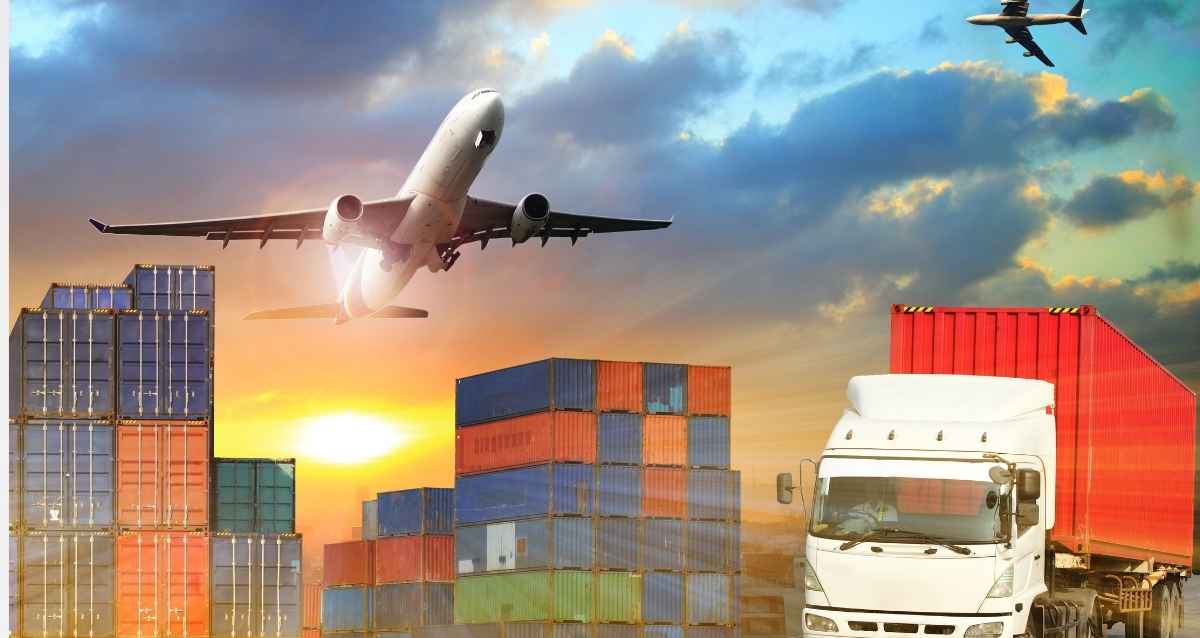
The strategic importance of Jebel Ali Free Zone Dubai lies in its connectivity. It is the only zone in the region that provides a direct, secure corridor between a major sea port and a major cargo airport (Al Maktoum International).
For a French exporter of heavy machinery or automotive parts, Jebel Ali Free Zone Dubai offers a "sea-air" link that can cut transit times from Asia to Europe significantly. This unique infrastructure allows goods to clear customs once and move freely within the secure zone. Furthermore, the Jebel Ali Free Zone Dubai is a key node in the future GCC Rail network, which will soon provide land-based connectivity to Saudi Arabia, Oman, and beyond. Choosing this zone is an investment in the most robust logistics network in the Southern Hemisphere.
Dubai Free Port and Trade Efficiency
The phrase Dubai Free Port is often used interchangeably with the high-efficiency customs zones within the major free zones. This concept is vital for businesses that utilize Dubai as a re-export hub for goods destined for other markets.
Under the Dubai Free Port philosophy, goods can be imported into the free zone without the payment of customs duties. These duties are only triggered if and when the goods exit the zone to enter the UAE Mainland. For a French trading company, this means they can maintain a massive regional inventory in a Dubai Free Port environment without tying up capital in tax payments. This "duty-deferred" model is what has made Dubai the re-export capital of the world, allowing firms to respond to market demands in Africa or the CIS countries with unprecedented speed and liquidity.
Optimal Free Zone Dubai for Your Industry
With over 30 options available, selecting the correct Free Zone Dubai requires a deep understanding of your company's "Go-to-Market" strategy. Each zone has a specific personality and regulatory focus.
For example, the DMCC (Dubai Multi Commodities Centre) is the world's leading Free Zone Dubai for gold, diamonds, and crypto-assets. Alternatively, the Dubai Design District (d3) is tailored for fashion and luxury brands, while Dubai Media City hosts the region's largest publishing and broadcasting firms. Selecting the right Free Zone Dubai ensures that you are surrounded by a cluster of like-minded businesses, potential partners, and a specialized talent pool that understands your specific industry requirements. Flyingcolour® performs detailed feasibility studies to ensure your chosen hub provides the maximum return on your investment.
Heavy Industry and Manufacturing in Free Zone Jebel Ali
The Free Zone Jebel Ali (JAFZA) remains the gold standard for French companies that require physical substance on a grand scale. While many modern zones focus on "desk-based" services, Free Zone Jebel Ali provides the heavy-duty infrastructure needed for real-world production.
Companies in Free Zone Jebel Ali can lease custom-built industrial parks or utilize the zone's "Cool and Cold" storage facilities, which are essential for French food and beverage firms. The regulatory environment in Free Zone Jebel Ali is also highly mature, with dedicated customs and immigration offices located on-site. This "one-stop-shop" model minimizes the administrative burden on plant managers and logistics directors, allowing them to focus on production efficiency and quality control within the secure perimeter of the Free Zone Jebel Ali.
Understanding the Success of Jafza Free Zone Companies
The track record of Jafza Free Zone Companies is a testament to the viability of the model. Many of the world's Fortune 500 companies have operated as Jafza Free Zone Companies for decades, using the zone as a springboard for their Middle Eastern and African operations.
Being one of the many Jafza Free Zone Companies provides immediate credibility with regional banks and government entities. The JAFZA "Trade Pass" allows for seamless movement of personnel and equipment between the zone and the mainland. For a French firm, the reputation of being a JAFZA-registered entity simplifies the process of securing credit facilities and navigating the complex "Economic Substance" requirements that are now part of the UAE's modern tax landscape. Success as one of the Jafza Free Zone Companies is built on a foundation of regulatory compliance and logistical excellence.
Dubai Free Zone vs. Mainland
A critical decision for every French investor is the choice between a Dubai free zone and a Mainland (Onshore) license. This decision dictates your market access and your tax profile under the 2026 Corporate Tax regime.
- Market Access: A Mainland company can trade directly with any customer in the UAE without a distributor. A Dubai free zone entity is generally restricted to international trade or trading within the zone; selling to the Mainland requires a local agent or a separate branch.
- Corporate Tax: While the standard rate is 9 percent, a Dubai free zone entity can qualify for a 0 percent rate on its "Qualifying Income," provided it maintains adequate substance.
- Physical Presence: Mainland licenses require a physical office with an Ejari lease. Many Dubai free zone options allow for "Flexi-Desks" or virtual offices, which are significantly more affordable for startups and consultants.
Understanding this binary choice is essential for long-term fiscal planning and operational flexibility.
Process for Freezone Dubai Registration
Successfully completing a Freezone Dubai registration involves a series of sequential steps that demand precision. Missing a single document or choosing the wrong activity code can lead to significant delays.
Step 1: Legal Structure and Activity Definition
Choose between a Free Zone Establishment (FZE) for single owners or a Free Zone Company (FZCO) for multiple partners. Clearly define your business activity, as your Freezone Dubai license will be activity-specific.
Step 2: Trade Name Reservation and Initial Approval
Submit three name options to the authority. Once the name is approved and a security check is completed, you receive "Initial Approval," which allows you to proceed with the legal documentation.
Step 3: Drafting the MOA and Securing the Facility
The Memorandum of Association (MOA) must be drafted and signed. You must also finalize your lease for an office or desk space. In the digital Freezone Dubai model, this can often be handled via e-signatures.
Step 4: Final Payment and License Issuance
Upon payment of the government and registration fees, your digital trade license is issued. At this stage, your Freezone Dubai entity is legally incorporated, and you can begin the residency visa and banking process.
Securing Your Identity in the Jafza Jebel Ali Free Zone
For large French organizations, the Jafza Jebel Ali Free Zone offers the ultimate corporate identity. It is not just a place to work; it is a globally recognized address that signals strength and stability.
Operating within the Jafza Jebel Ali Free Zone requires a high standard of corporate governance. The authority requires annual audited financial statements to ensure that all Jafza Free Zone Companies are operating within the law. This commitment to transparency is what makes the Jafza Jebel Ali Free Zone the preferred choice for publicly listed French firms and large family-owned conglomerates. The zone’s ability to facilitate large-scale work permits and housing for thousands of employees makes it a self-contained city of commerce, unique in the global free zone landscape.
The Role of Flyingcolour®
Navigating the choices between the Dubai airport free zone, the Free Zone Jebel Ali, and the smaller boutique zones requires deep local expertise. Flyingcolour® acts as your strategic partner, translating the technical requirements into managed, successful outcomes.
- Jurisdiction Selection: We analyze your business model to determine which Dubai free zone offers the best balance of cost, tax efficiency, and logistical access.
- Integrated Compliance: We manage the entire lifecycle—from Freezone Dubai registration and visa processing to IFRS-compliant bookkeeping and Corporate Tax filing.
- Logistics and PRO Support: We handle the "Attestation Hurdle" for French documents and manage the ongoing relationship with customs and immigration authorities in the Jafza Jebel Ali Free Zone.
- Banking Liaison: We use our established relationships with UAE banks to ensure your corporate account application is handled with priority and professional oversight.
Trust Flyingcolour® to turn the complexity of the Dubai free zone ecosystem into a reliable competitive advantage for your international enterprise.
Conclusion
The Dubai free zone model remains the most powerful platform for French investors seeking global growth and tax efficiency. Whether you utilize the rapid air connectivity of the Dubai airport free zone or the massive industrial power of the Jafza free zone, the key to success is a foundation of compliance and strategic foresight. By mastering the distinction between Mainland and Freezone Dubai and ensuring your structure meets the new "Qualifying Income" standards, you secure a fiscal platform that is unmatched in its stability.
Partner with the Best business setup company in Dubai, like Flyingcolour®, to ensure your move to the Emirates is strategic, compliant, and positioned for long-term profitability. Do not leave your international expansion to chance. Partner with us today to secure your future in one of the world's most vibrant and tax-efficient financial centers.
FAQs
Q1. Can a French citizen own 100 percent of a company in a Dubai free zone?
A. Yes, absolutely. The core benefit of every Dubai free zone is the guarantee of 100 percent foreign ownership. There is no requirement for a local Emirati partner or sponsor to hold shares in your free zone entity.
Q2. Is the Dubai Free Port status available to all companies in JAFZA?
A. The term Dubai Free Port refers to the customs-exempt status of the zone. All companies registered within the Jafza free zone can import goods duty-free, provided the goods remain within the zone or are re-exported. Customs duty only becomes payable if the goods are sold into the UAE Mainland market.
Q3. How long does the Freezone Dubai registration process typically take?
A. For standard service or trading licenses, the Freezone Dubai registration process typically takes between 5 to 10 working days for the issuance of the trade license. The subsequent residency visa and Emirates ID process take another 2 to 3 weeks.
Q4. Does my company in the Dubai airport free zone need to pay Corporate Tax?
A. All UAE companies must register for Corporate Tax. However, a company in the Dubai airport free zone can qualify for a 0 percent Corporate Tax rate on its "Qualifying Income," provided it meets specific substance requirements and maintains audited financial statements.
Q5. What is the biggest advantage of Jafza Free Zone Companies for French exporters?
A. The biggest advantage is the Multimodal Logistics Hub. Jafza Free Zone Companies can seamlessly move goods between the sea port and the airport within a single customs-bonded corridor, drastically reducing transit times and administrative costs for global distribution.