
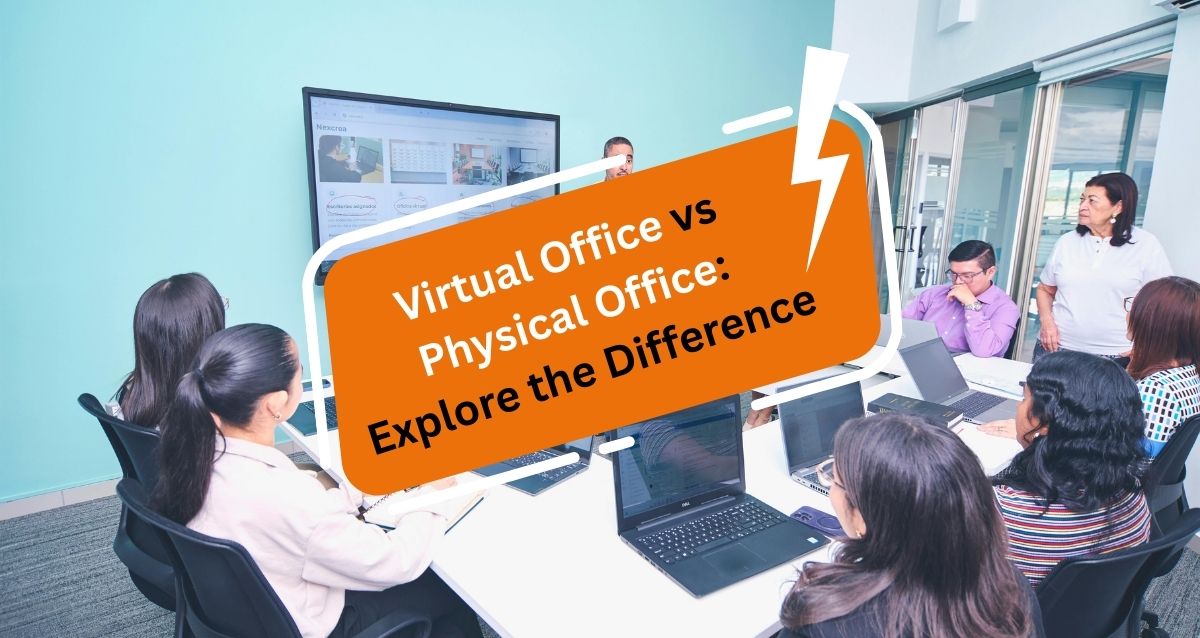
Virtual Office vs Physical Office: Uncover The Work-From-Anywhere Dilemma
Setting up a business is a big decision - and one of the most crucial ones is choosing between a Virtual Office and a Physical Office. More and more entrepreneurs are weighing up the benefits of remote work & virtual offices, and deciding which model is right for their business.
Traditional offices have been the norm for decades - but now modern businesses are opting for more flexible solutions like Remote business address services and Virtual office solutions. With the rise of remote work, digital technology & high speed internet, it's no wonder companies are ditching their brick-and-mortar offices in favour of a more cost-effective approach.
So, what's the real difference between Virtual Office and Physical Office - and how can this help you choose the best space for your business?
This guide will show you the pros, cons & practical uses of both types of office, including how to make the most of Business registration with a virtual office and the latest workspace solutions.
What's A Virtual Office For Business?
A Virtual Office for business is basically a professional business address & office services - without the need to rent a physical space full-time.
Instead of shelling out for a permanent office, you can get services like:
- A proper business address
- Mail handling & postal services
- Phone answering & support
- Access to a meeting room when you need it
Many startups are opting for virtual office solutions because they save cash on overhead.
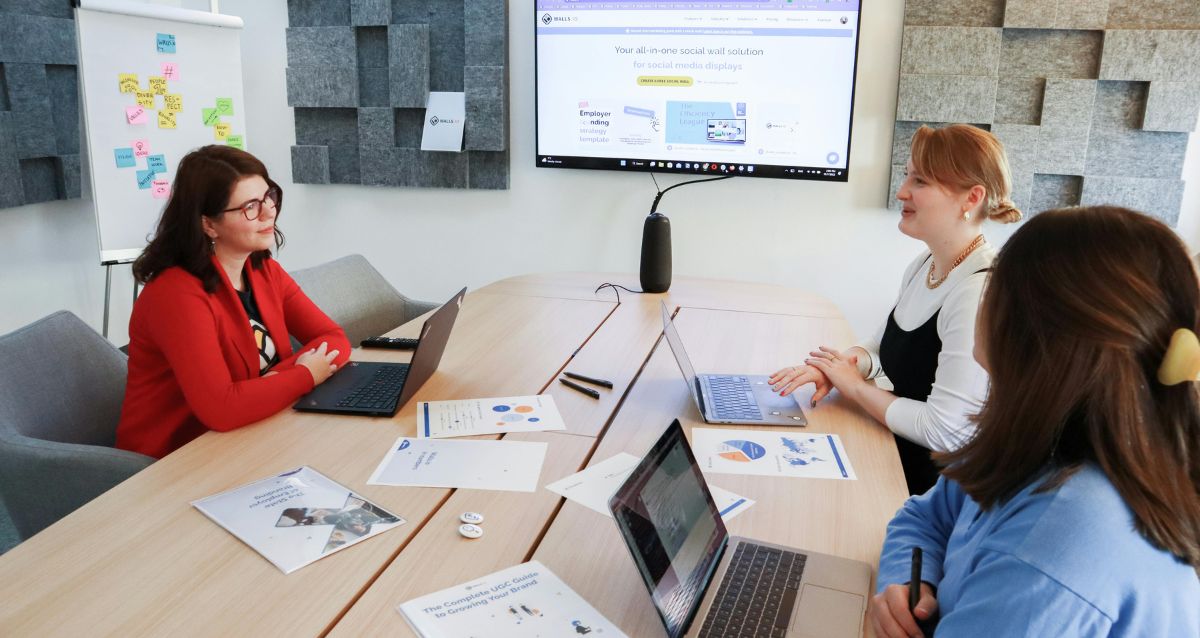
What Is A Physical Office?
A Physical Office is a traditional workspace where employees work every day from a fixed location.
A physical office comes with:
- Office space
- Furniture & equipment
- Employee workstations
- Meeting rooms
- Utility services
Companies with traditional offices often benefit from Physical Office perks like in-person collaboration & teamwork.
Virtual Office vs Physical Office: The Key Differences
To understand the difference between Virtual Office vs Physical Office, you need to look at the key factors.
➤ Workspace
Virtual Office: You can work from anywhere
Physical Office: Employees work from the same location every day
➤ Cost
Virtual Office: Lower operational costs - you save on rent & utilities
Physical Office: Higher expenses, including rent & utilities
➤ Flexibility
Virtual Office: You can work remotely
Physical Office: Employees work from a fixed location
➤Scalability
Virtual Office: Easy to scale up or down - no problem
Physical Office: Limited flexibility due to lease agreements
This comparison highlights the key differences between Virtual Office and Physical Office.
Virtual Office Benefits For Businesses
Loads of Virtual Office benefits make this option so attractive to startups & entrepreneurs.
➤ Cost Savings
One of the biggest advantages of a virtual office for business is the cost savings.
Companies avoid costs like:
- Office rent
- Furniture & equipment
- Utility bills
- Maintenance costs
This makes the cost comparison virtual vs traditional office a no-brainer for many businesses.
➤ Professional Business Address
With Remote business address services, companies get a professional address in a prime business location.
This helps build credibility & brand image.
➤ Flexibility For Remote Teams
Virtual offices let employees work from anywhere while the company maintains a professional presence.
This is a major Virtual Office benefit for companies that work remotely.
➤ Easy Business Expansion
Businesses can expand operations without relocating or renting a bigger space.
This is great news for growing companies that need to scale up fast.
Physical Office Advantages
While virtual offices have their benefits, there are still plenty of Physical Office advantages to consider.
➤ Face-to-Face Collaboration
Employees working in the same space can collaborate more easily.
In-person meetings often improve communication & teamwork.
➤ Strong Company Culture
A physical workspace helps build company culture through daily interaction among employees.
➤ Better Client Interaction
Companies with a traditional office can host client meetings easily.
This helps build trust & professional relationships.
Cost Comparison: Virtual vs Traditional Office
When it comes to Cost comparison, virtual vs traditional office, the financial difference can be huge.
Virtual Office Costs
Typical virtual office costs include:
- Business address services
- Mail handling services
- Meeting room access when needed
These costs are much lower than those of traditional offices.
Physical Office Costs
Operating a physical office involves higher expenses, such as:
- Office rent
- Furniture & equipment
- Internet & utilities
- Maintenance & cleaning services
This is why many startups are exploring Office space alternatives for startups.

Coworking and Virtual Office Solutions
Another popular option is Coworking and virtual office solutions, which let businesses use shared office environments when needed.
Benefits include:
- Flexible workspace access
- Networking opportunities
- Lower costs than traditional offices
Coworking spaces are super popular with startups & freelancers.
Business Registration with Virtual Office
Many jurisdictions allow Business registration with virtual office services.
Companies can use a virtual address for:
- Business registration
- Mail correspondence
- Official documentation
Just remember to check local regulations before registering.
When Should Businesses Choose a Virtual Office?
Companies may prefer a virtual office for business if they:
- Work online
- Have remote employees
- Want to save on operational costs
- Need a professional address
These factors make virtual offices the perfect Office space alternatives for startups.# When Should You Choose a Physical Office
Companies may prefer a traditional office setting when:
- Large teams need to sit down and work together face-to-face
- Daily client meetings are a must - it's just easier to catch up in person
- Or when a physical presence is simply necessary for operations
These are some of the key advantages of a physical office, the ones that make sense in the real world.
The Hybrid Office Model - the Best of Both Worlds
More and more businesses today are adopting a hybrid model that combines the best bits of both options.
This can include things like:
- Virtual office address services because you don't need a fancy brick-and-mortar
- Occasional use of coworking spaces to get out of the house and away from your desk
- Or flexible remote working - you know, to just get some work done in peace
It's a hybrid approach that combines the benefits of virtual vs physical office in a way that just works.
The Rise of Remote Work and Virtual Offices
The world of work has changed dramatically over the last few years, and the demand for virtual office for business services has shot up as a result.
Companies are now looking for ways to stay efficient, cut costs and stay flexible - and that means ditching expensive office spaces in favour of more modern solutions.
This trend is especially useful for startups that are still finding their feet and exploring new ways to get things done.
The Future of Office Spaces
Looking to the future, it's clear that the traditional office space is going to have to adapt to changing times. We're likely to see a lot more:
Virtual offices and coworking spaces - that's basically just a fancy way of saying flexible work environments
Hybrid office models that combine the best bits of both worlds
These modern workspace models are all about giving businesses the flexibility they need to survive and thrive in a rapidly changing world.
How Flyingcolour Business Setup Supports Businesses
At Flyingcolour Business Setup, our expert team is on hand to help entrepreneurs figure out which virtual office vs physical office solution is best for them.
Business Setup Consultation
We help businesses understand the difference between a virtual office and a physical office and choose the right solution for their needs.
Virtual Office Services
We provide remote business address services that help companies establish a professional presence without breaking the bank.
Business Registration Support
And we also assist with business registration with a virtual office, where permitted by local regulations.
Coworking Space Solutions
Our team helps companies access coworking and virtual office solutions that give them the flexibility they need to get work done.
Office Setup Guidance
And if you do prefer a traditional office, we can help you find the best workspace based on your company's needs.
Why Choose Flyingcolour Business Setup?
Businesses choose Flyingcolour Business Setup because:
- We have experienced business consultants who know the ropes
- We have global business setup expertise
- We offer flexible office solutions
- Our pricing is transparent
We provide end-to-end business setup support to get you up and running fast
We help entrepreneurs find the best workspace solution for long-term business success.
Conclusion
So, when it all comes down to it, choosing between a virtual office vs a physical office really depends on your business model, budget and operational needs.
Virtual offices offer flexibility, lower costs and the chance to work remotely - making them ideal for startups and digital businesses.
Physical offices provide better collaboration, a strong company culture and improved client interaction, which are all pretty key for some businesses.
By understanding the difference between a virtual office and a physical office, businesses can select the best workspace solution for growth and efficiency.
At Flyingcolour Business Setup, we help companies evaluate these options and implement the right office strategy for growth and efficiency
Frequently Asked Questions
What is the main difference between a virtual office and a physical office?
The main Difference between a virtual office and a physical office is that a virtual office provides a business address and services without a permanent workspace, while a physical office provides a dedicated working location.
Is a virtual office suitable for small businesses and startups?
Yes. Virtual Office for business is ideal for startups because it reduces operating costs while maintaining a professional business address.
How much money can businesses save by using a virtual office?
Businesses can save high costs on rent, utilities, and office maintenance compared to traditional offices, according to the Cost comparison virtual vs Traditional Office.
Can a virtual office be used for company registration and GST?
In many jurisdictions, Business registration with virtual office is allowed. However, businesses must verify local legal requirements before registration.
What are the advantages of having a physical office over a virtual office?
Some Physical Office advantages include better team collaboration, direct client meetings, and stronger company culture.