
Table of Contents
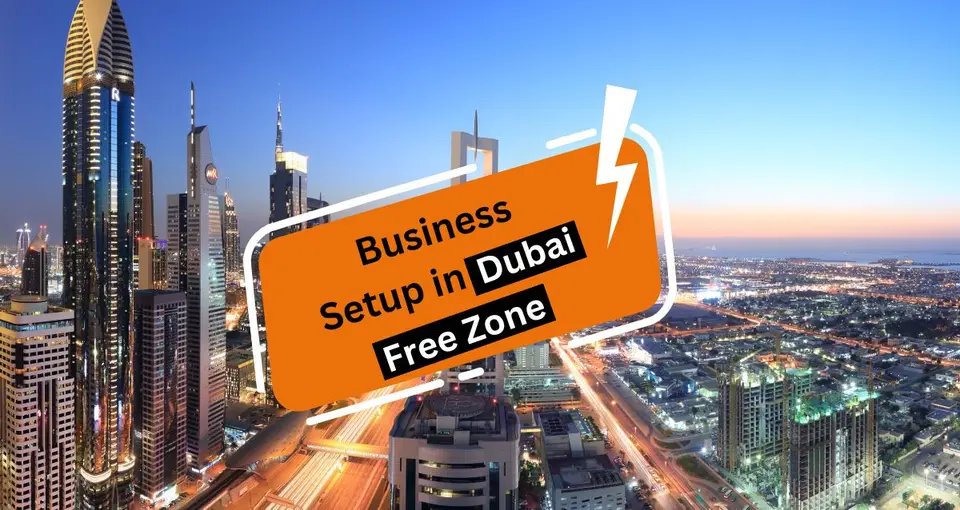
Business Setup in Dubai Free Zone
Dubai has emerged as a global business hub, thanks to its strategic location, tax incentives, and world-class infrastructure. One of the most appealing opportunities for entrepreneurs is establishing a business in its free zones. With over 30 free zones catering to different industries, Dubai offers a flexible, streamlined environment for startups, SMEs, and multinational corporations.
If you’re considering setting up a business in Dubai’s free zones, this guide provides everything you need, from benefits to processes and costs.
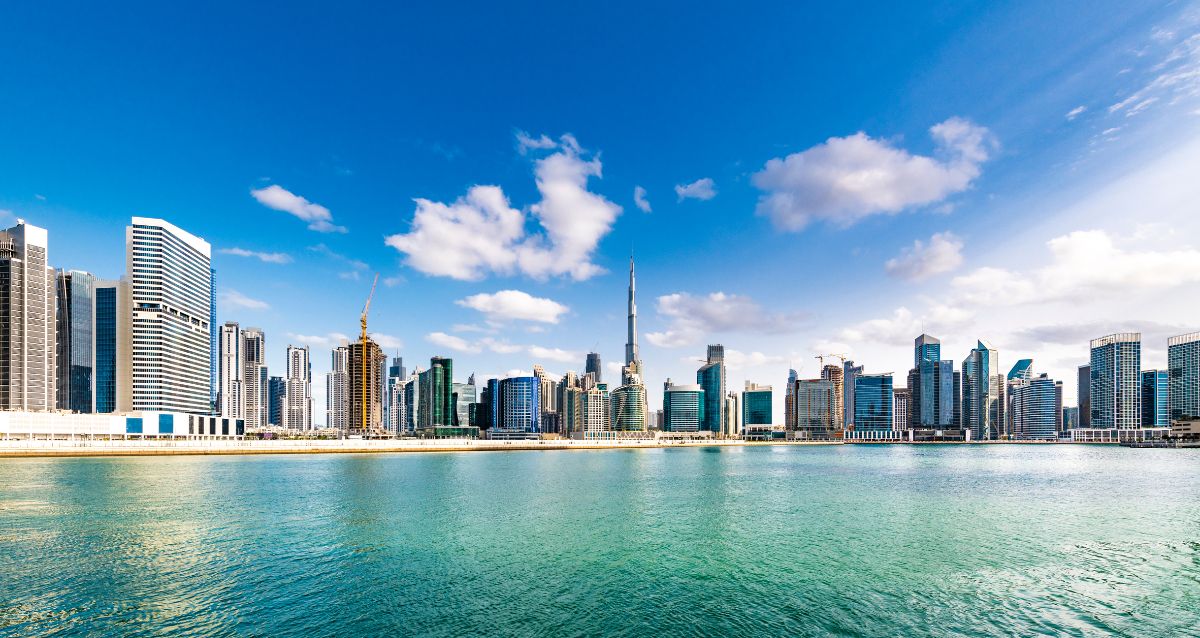
What is a Free Zone in Dubai?
A free zone is a designated area within Dubai where businesses enjoy special regulatory privileges. These zones were created to attract foreign investment by offering incentives like tax exemptions, full ownership, and simplified company formation processes.
Key characteristics of Free Zones:
- 100% Foreign Ownership: Free zone businesses don’t require a local sponsor, unlike mainland companies.
- Tax-Free Operations: Corporate tax and personal income tax can be 0%.
- Industry-Specific Benefits: Some zones cater specifically to sectors like technology, logistics, media, or finance.
Examples include Dubai Silicon Oasis (DSO) for tech companies, DMCC for commodity traders, and JAFZA for logistics and manufacturing.
Advantages of Setting Up a Business in Dubai Free Zones
- Ownership Benefits: Entrepreneurs and investors can fully own their businesses without needing a local partner or sponsor.
- Cost-Effective Packages: Many free zones offer affordable setup packages, making them accessible for startups and SMEs.
- Simplified Licenses: Businesses can acquire trade licenses tailored to their specific needs, from trading to e-commerce.
- Visa and Residency Services: Free zones facilitate visa applications for employees and dependents, simplifying relocation.
- No currency restrictions: conduct transactions freely with no capital repatriation restrictions.
- Global Accessibility: Dubai’s strategic location offers unparalleled access to markets in Asia, Europe, and Africa.
Top Free Zones in Dubai
Here’s an overview of some of the most popular free zones in Dubai:
Dubai Multi Commodities Centre (DMCC)
- Focus: commodity trading, finance, and e-commerce.
- Highlights: industry-specific clusters, advanced infrastructure, and connectivity to global markets.
Dubai Silicon Oasis (DSO)
- Focus: Tech startups and IT services.
- Highlights: Support for innovation-driven enterprises and affordable licensing options.
Jebel Ali Free Zone Authority (JAFZA)
- Focus: logistics, manufacturing, and trading.
- Highlights: proximity to Jebel Ali Port, ideal for international trade.
Dubai Airport Free Zone (DAFZA)
- Focus: Aviation and logistics.
- Highlights: Prime location near Dubai International Airport.
Meydan Free Zone
- Focus: Startups and SMEs.
- Highlights: Cost-effective packages, ideal for entrepreneurs seeking low-cost setups.
How to Start a Business in a Dubai Free Zone?
Choose the Right Free Zone
- Match your business activity to the free zone’s focus. For instance, DMCC is ideal for trading, while DSO caters to tech firms.
Select Your Business Activity
- Define your operations, whether it’s trading, consulting, or manufacturing. Ensure it aligns with the free zone’s permitted activities.
Register Your Company Name
- Choose a name that complies with Dubai’s naming regulations, avoiding any offensive or religious references.
Submit Required Documentation
- Common requirements include:
- Passport copies of shareholders.
- Proof of address.
- Business plan (in some cases).
Obtain the License
- Free zones issue licenses tailored to your activity, such as:
- Trade License: For import/export businesses.
- Professional License: For consulting and services.
- Industrial License: For manufacturing firms.
Lease Office Space
- Options range from shared desks to full warehouses, depending on the free zone and business requirements.
Apply for Visas
- Free zones offer visa quotas based on office size and company structure. This includes employee and dependent visas.
Open a Corporate Bank Account
- Free zones often assist in connecting with banks to facilitate this process.
Corporate Tax for Free Zone Companies
Previously free zone companies were immune from UAE Corporate Tax. Since its implementation free zone companies are not intrinsically tax-free but most are able to benefit from a 0% rate, if specific criteria are satisfied. Here's what proprietors should be aware of before presuming free zone status to be tax-exempt.
0% vs 9%: How It Works
The 0% rate for qualifying free zone companies remains unchanged provided they are a 'Qualifying Free Zone Person'. All income that falls outside the qualifying criteria-including most of the income earned from UAE mainland customers-and is thus classified as non-qualifying income, is taxed at the current 9% rate.
0 % rate is on: just referring to the defined income, which mainly includes sale of goods/services (transaction with other free zone companies), income in non-UAE.
9% rate: applies for non-qualifying income, which in most cases will be revenue earned from mainland UAE clients once over the qualifying threshold.
A Free Zone company can have 0% and 9% income streams within the same Financial Year – the proportional split of time in the year determines what is liable to tax.
The 5% / AED 5 Million De-Minimis Rule
To maintain the 0% rate on their other income, a free zone company's non-qualifying income must not exceed the lesser of: 5% of total income, or AED 5 million. Breach this during a tax period and a free zone company risks losing the 0% rate of all income for that period, not just the excess. As a result, it is important to monitor other income on a continuing rather than a year-end basis.
FTA Registration Is Mandatory - Even at 0%
All free zone companies (expected to pay 0% or 9%) have to register with the Federal Tax Authorities for corporate tax registration. If you are a free zone company that is due to pay 0%, it can not "opt" out of the registration and you may be penalized for missing the deadline. Free zone companies also have to file annual corporate tax returns (irrespective of whether they have any tax to pay or not).
Demonstrating "Substance"
In order to enjoy 0% rate a free zone company would generally need to have sufficient substance in the UAE, generally by way of having enough assets, trained personnel and operating costs consistent with the activity in the free zone. A shell company structure without any actual trading is unlikely to qualify.
What's New in 2026: Free Zone Companies Can Now Operate on the Mainland
Another significant update has opened the door for free zone companies to expand into Dubai. Dubai Executive Council Decision No. 11 of 2026 (the Free Zone Mainland Operating Permit) allows qualifying free zone companies to seek a permit to undertake business activities within Dubai mainland directly.
Compared to formerly when majority of free zone companies were only allowed to trade outside free zone (or internationally) and are required to set up a different LLC or a branch in the mainland for trading with main land customers legally, this new permit removes the obstacle for suitable activity, and other free zones become attractive as a longer term business location rather than just as lower cost entry point.
You can find out more details on this in the Mainland Expansion section below.
Can a Free Zone Company Operate on the Mainland?
Yes - from the 2026 Free Zone Mainland Operating Permit, certain free zone companies will be able to apply for permission to carry out business activities in the Dubai free zone territory using the free zone company without the need to form a different free zone company or appoint a local service agent. The process is usually as follows:
How to Apply
The application for the mainland operating permit can be made via the Invest in Dubai platform. The specific process and activities you can apply for depend on your free zone and business type so it can be worth checking eligibility before assuming your license is applicable.
Documents Typically Required
- Valid free zone trade license
- Shareholder/manager copies of visa or Emirates ID.
- Passport-size photos
- Completed application form
- Business plan (for certain activities)
- Trade name certificate
- No Objection Certificate (NOC) as the case may be
- Bank reference letter
Consultants are generally able to execute the attestation and notarization of these documents for you.
Why This Matters When Choosing a Free Zone?
If expanding in the mainland is part of your plan, this is an exciting update that you don't need to compromise "free zone to save costs" or "mainland to gain market access". Begin in a free zone with reduced initial cost, free 100% ownership benefits, then upon obtaining the permit, operate on the mainland to directly serve your clients.
How Long Does It Take?
Most Dubai free zones can issue a trade license in around 3-10 working days after you have submitted all documentation complete and if the business activity does not necessitate further outside approvals (such as regulator approval for financial or healthcare activity). Digital free zones for on-boarding such as IFZA or Meydan tend to be closer to the lower end of the range; Zones with regulated/specialised activities may take longer.
- Fastest zones (digital-first, simple activities): as little as 24-48 hours through 3 business days
- Standard trading / consulting licenses usually between 3-10 business days.
- Longer for regulated activities (finance, health, education): more levels of approvals from other authorities.
Don't Forget Renewal Costs
These figures (including free zone marketing websites) are to set up costs in the first year. The reality is, the license renewal fee every year is generally about 80% of what you initially paid, as it includes license renewal, office/flexi desk rent, some visa fees, etc. The point is, if you take this into account in designing your initial financial forecasts, it saves you from a nasty surprise on renewal time.
Do You Need Minimum Share Capital?
Most Dubai free zones do not have a minimum share capital and require no minimum sum to be paid up for registration (a significant difference to many jurisdictions). Many free zones and certain activities (especially regulated financial services) may however have a minimum capital requirement so this should be checked.
So however, "no minimum capital" does not imply that there is no substance. In order to avail the 0% corporate tax and comply with the free zone authorities requirements, your company typically must have actual operational substance, such as experienced staff, office and operating expenditure of the level compatible with your activity, rather than just on paper.
Which Free Zone Fits Your Goal?
There are over 45 free zones in Dubai and the rest of the UAE so the fact of the matter is less about which free zone is 'best' and more about the specific things you want to maximize. Use this quick guide in conjunction with the above free zones profiles:
- Cheapest setup cost / budget startups IFZA, Meydan Free Zone or Fujairah Creative City
- Hire Tech, Softwares, or IT services Dubai Silicon Oasis (DSO) or Dubai Internet City
- Commodity trading, etix finance or The world trading) Dubai Manufacturing Free Zone.
- Logistics, manufacturing or import/export JAFZA (Jebel Ali Free Zone), considering the port location.
- Some of the Aviation, Freight or the logistics near the Airport DAFZA (Dubai Airport Free Zone)9/0
- Media, creative and content companies Dubai Media City and Fujairah Creative City.
- Seeking financial services (funds, fintech, wealth management) in the DIFC
If not, what you should do is first determine the activity you will be engaged in and the number of visas you will be seeking - this enables you to quickly eliminate the zones that are not eligible in terms of time (cost, reputation etc).
Costs of Setting Up a Business in Dubai Free Zone
Costs vary based on the free zone and business type. Below are the approximate costs for 2024:
- License Fees: AED 10,000*–AED 50,000* annually.
- Office Rental: AED 15,000*–AED 40,000* per year for flex-desk options.
- Visa Fees: AED 3,000*–AED 7,000* per visa.
Some free zones, like Meydan and Fujairah Creative City, offer low-cost packages starting at AED 13,900*.
Common Challenges and Solutions
- Selecting the Right Free Zone: Research your industry needs and consult business setup experts.
- Understanding Licensing Requirements: Work with the free zone authority or consultants for clarity.
- Visa Quotas: Opt for larger office spaces to increase visa eligibility.
How can Flyingcolour Business Setup Help You?
Flyingcolour Business Setup specializes in helping entrepreneurs establish business setups in the Dubai free zone, offering tailored support for company formation, trade licenses, visa processing, and corporate banking setup. Whether you’re looking to start an e-commerce, trading, or consulting business in popular free zones like DMCC, Dubai Silicon Oasis, or JAFZA, our team ensures a seamless process while maximizing the benefits these zones provide, such as 100% foreign ownership and tax exemptions.
FAQs
Can foreigners own 100% of a free zone company?
Yes, free zones do permit 100% foreign ownership, as opposed to other mainland companies that used to need a local shareholding in specific industries.
What are the main free zones in Dubai?
Mainstream areas are DMCC, JAFZA, Dubai Internet City, Dubai Media City, DIFC, Dubai South, and IFZA, all regional trade centers focusing on industries like technology, media, finance, etc.
How long does company registration take?
Normally it takes 3-7 working days for free zone company formation. It depends on the selected free zone, business activity, documentation completeness and selected license on application form.
What licenses are available in free zones?
Typical licenses are: trade, service, industry, independent license and independent registration. Granting of licenses allows starting a business in a certain activity.
Can a free zone company trade in the UAE mainland?
Not exactly; Free Zone companies are prohibited from directly sourcing goods/services in the UAE Market. They are required to either appoint a local distributor or open a branch in the mainland.
What are the costs involved?
The cost of the license depends on the zone you choose and license type. It is usually between AED 12,000 up to AED 50,000+ per year inclusive of registration, license fees and office space.
Is a physical office required?
Most free zones will at least want a flexi-desk / shared office space but there are virtual options available depending on the business activity and visa eligibility.
How many visas can I get?
The number of visas depends on the size of office and package taken by the applicant; most frequently 1-6 visas are normally included, while larger office space provides additional visas.
What documents are needed for registration?
Necessary papers are passport copies, passport clear photographs, business plan, chosen E-company name and sometimes NOC from current sponsor for immigrated to UAE people.
To learn more about Business Setup in Dubai Free Zone book a free consultation with one of the Flyingcolour team advisors.
The article was published on 18/11/2024. It is important to note that the federal policies and updates mentioned may have changed since then. For the most current information, please contact our consultant.