

Table of Contents
Set Up a Business in the Food Industry in Dubai – Mainland & Free Zone Options
Dubai has become one of the fastest-growing culinary capitals in the world. From Michelin-starred restaurants to thriving cloud kitchens, the city’s food industry is booming. With millions of residents, a huge tourist population, and a high standard of living, demand for quality food products and services is at an all-time high.
For entrepreneurs-especially those from India, GCC countries, and beyond—this presents a golden opportunity. But to succeed in Dubai’s food sector, you need to understand the licensing, costs, compliance, and business setup process.
This guide will walk you through every step of starting a food industry business in Dubai, whether in the Mainland or a Free Zone, so you can launch confidently and in compliance with UAE regulations.
Why Dubai’s Food Industry is a Hotspot for Entrepreneurs
The UAE’s food and beverage (F&B) market is projected to exceed USD 50 billion by 2030, driven by:
- Rapid population growth and high tourist influx
- Cultural diversity – demand for multiple cuisines
- Government investment in hospitality & tourism
- Tech integration – online ordering & delivery platforms
Dubai is also a logistics hub, making it perfect for food import/export businesses targeting the Middle East, Africa, and Europe.
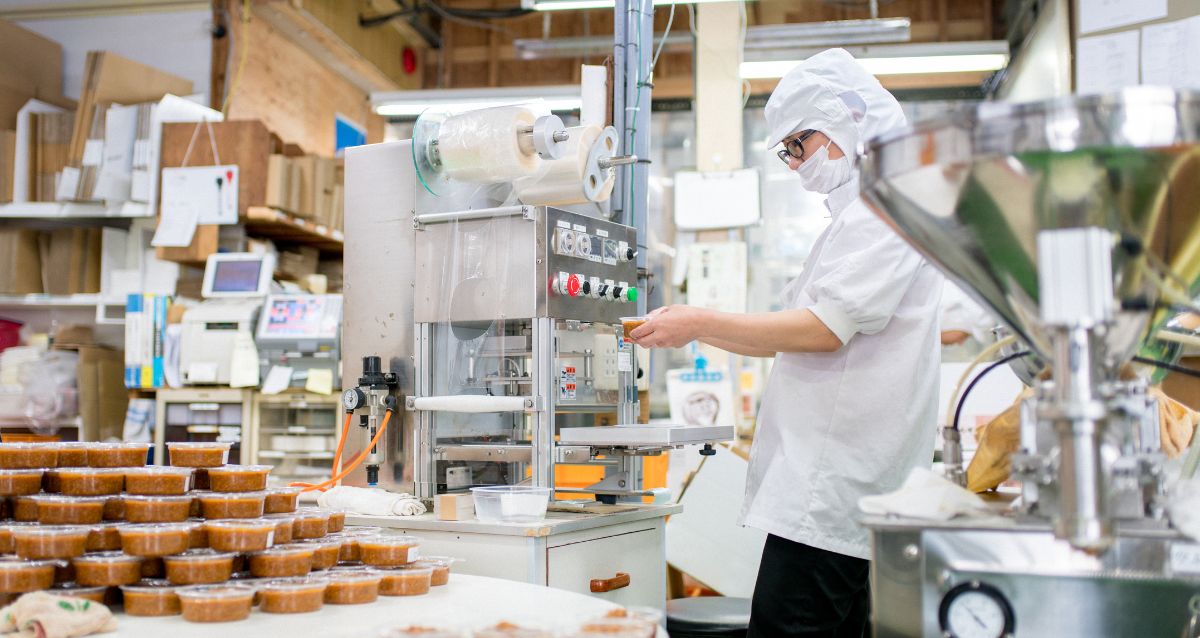
Mainland vs. Free Zone Food Business in Dubai
Choosing between a Mainland or Free Zone setup is your first major decision.
|
Feature |
Mainland Business |
Free Zone Business |
|---|---|---|
|
Ownership |
100% foreign ownership allowed (as per Cabinet Resolution No. 16 of 2020) |
100% foreign ownership |
|
Trade Scope |
Operate anywhere in UAE & internationally |
Mainly export & Free Zone trade (mainland trade via distributor) |
|
Licensing Authority |
Dubai Department of Economy & Tourism (DET) |
Specific Free Zone Authority (e.g., DMCC, JAFZA) |
|
Tax |
0% personal tax, 9% corporate tax above AED 375,000 (Federal Decree-Law No. 47 of 2022) |
Same as mainland (Corporate Tax Law applies) |
|
Cost |
Higher initial setup & rent costs |
Lower licensing & rent costs |
Key takeaway:
- If you want to operate restaurants, cafés, or catering within Dubai, go Mainland.
- If you want to focus on exports, packaged food manufacturing, or wholesale trade, consider a Free Zone.
Types of Food Business Licenses in Dubai
Depending on your business activity, you may need one of the following licenses:
1. Restaurant or Café License
For dine-in services, issued by DET or Free Zone Authority + Dubai Municipality Food Control approval.
2. Catering Services License
For large-scale food preparation for events, corporate clients, and institutions.
3. Food Manufacturing License
For producing, packaging, and distributing food products. Requires HACCP certification.
4. Food Import/Export License
For trading packaged food across borders. Requires registration with the Dubai Municipality Food Import & Export System (FIES).
5. Food Truck/Mobile Kitchen License
For operating mobile food units. Requires RTA (Roads & Transport Authority) and Dubai Municipality approvals.
Step-by-Step Guide to Starting a Food Business in Dubai
Step 1 – Choose Your Business Activity
Define exactly what you’ll offer-restaurant dining, catering, food processing, trading, or a mix.
Step 2 – Decide Mainland or Free Zone
- Mainland: Apply to DET, operate across the UAE, and hire more staff.
- Free Zone: Lower costs, focus on niche trade/manufacturing.
Step 3 – Reserve Your Trade Name
Propose 3–5 name options. Must comply with UAE naming laws:
- No offensive or religious words
- Matches your business activity
- Can be in English or Arabic
Step 4 – Get Initial Approval
Submit documents to DET or Free Zone Authority. Required:
- Passport copies of shareholders
- UAE entry visa copy or tourist visa
- Passport-size photo
- Business plan (optional but recommended)
Step 5 – Lease Premises & Get Location Approval
For Mainland businesses, get an Ejari tenancy contract.
For Free Zones, choose from flexi-desk, office, or warehouse facilities.
Step 6 – Dubai Municipality Food Control Approval
Submit kitchen layout, food storage plans, and hygiene measures to comply with UAE Food Safety Law No. 10 of 2015.
Step 7 – HACCP Certification
Required for food manufacturing, catering, and large-scale food handling operations.
Step 8 – License Issuance
Pay licensing fees and collect your trade license.
Step 9 – Visa & Bank Account
- Apply for investor/employee visas.
- Open a corporate bank account (documents: trade license, MOA, passport copies).
Documents Required
For Individual Shareholders:
- Passport copy (valid 6 months)
- Visa or entry permit copy
- Passport-size photo (white background)
For Corporate Shareholders:
- Memorandum & Articles of Association
- Board resolution to establish a company in Dubai
- Certificate of incorporation
All foreign documents must be notarised & attested by the UAE Embassy in the home country.
Legal & Regulatory Compliance
- Federal Decree-Law No. 47 of 2022: 9% corporate tax above AED 375,000 profit.
- VAT Registration: Mandatory if turnover exceeds AED 375,000.
- UAE Food Safety Law No. 10 of 2015: Covers hygiene, storage, handling standards.
- Dubai Municipality Food Code: Detailed rules for food establishments.
Pros & Cons
✅ Pros:
- Strong demand in F&B
- Easy access to global suppliers
- High profit margins for premium offerings
❌ Cons:
- High competition
- Requires strict compliance & hygiene standards
Why Choose Flyingcolour Business Setup?
Flyingcolour Business Setup helps you navigate licensing, approvals, HACCP certification, and visa processing without stress.
We have assisted hundreds of food entrepreneurs in Dubai Mainland & Free Zone-helping them launch faster and stay compliant.
FAQs
1. Can foreigners fully own a food business in Dubai?
Yes, 100% foreign ownership is allowed for both Mainland & Free Zone businesses.
2. Is HACCP certification mandatory?
Yes, for food manufacturing, catering, and bulk handling operations.
3. How long does it take to get a food business license?
Typically 2–4 weeks, depending on approvals.
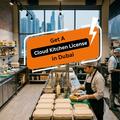
4. Can I start with a small cloud kitchen?
Yes, cloud kitchens are popular for low-cost entry into the market.
5. Can I import food from India to Dubai?
Yes, but you must register with the Dubai Municipality Food Import & Export System (FIES).
Therefore, to learn more about how to Set Up a Business in the Food Industry in Dubai, Book a free consultation with one of the Flyingcolour Business Setup team advisors.
The article was published on 13/08/2025. It is important to note that the federal policies and updates mentioned may have changed since then. For the most current information, please contact our consultant!