

Table of Contents
Understanding Restaurant Business Setup in Dubai
Dubai remains one of the most attractive destinations for F&B ventures in 2026. With 0% personal income tax, tourism projections exceeding 17 million visitors annually, high disposable incomes averaging AED 20,000+ monthly in key expat hubs, and the Expo City legacy transforming areas into dining hotspots, the emirate offers significant economic development opportunities. Over 13,000 registered F&B outlets operate here, reflecting both demand and competition.
Dubai requires a structured process for opening a restaurant, including defining the business activity, securing trade name approval, and obtaining initial approval from the Department of Economic Development (DED). Restaurant business setup Dubai means choosing jurisdiction, legal form, activity codes, and securing all approvals before signing long leases or investing in fit-out. Key authorities include Dubai Department of Economy & Tourism (DET, formerly DED), Dubai Municipality Food Safety Department, Dubai Civil Defence, and MOHRE for labour matters.
Since 2021 FDI reforms, many food business setup Dubai projects can have 100% foreign ownership on mainland subject to activity and Emirate list verification. Before committing to a concept, conduct market research on location, cuisine gaps, pricing, and delivery demand via platforms like Talabat and Deliveroo, where delivery orders constitute 40-50% of F&B revenue in residential areas.
Mainland vs Free Zone for Restaurant Setup
One of the first and most important decisions when setting up a restaurant in Dubai is choosing between a mainland licence issued by DET and a free zone licence. This choice directly determines where you can legally operate, serve customers, and grow your business.
A mainland licence allows your restaurant to operate anywhere across Dubai — whether that's a street-facing outlet, a mall location, a delivery-only kitchen, or a catering operation. It is the most practical option for entrepreneurs looking to run a visible, customer-facing restaurant with full access to the local market. Free zones such as IFZA Dubai, DMCC, Dubai South, and RAKEZ are generally better suited for central kitchens, catering companies, or holding structures rather than front-facing dining concepts.
Many foreign and UK-based investors opt for a mainland LLC when setting up a restaurant in Dubai because it simplifies onboarding onto delivery platforms, makes corporate client contracting more straightforward, and removes geographic restrictions on where you can trade.
A common misconception is that mainland setup requires a local partner. As of 2026, most F&B activities fall under Dubai's "positive list," meaning a mainland LLC can be 100% foreign-owned — making it a genuinely competitive option alongside free zones. That said, eligibility depends on your specific activity code, so it is always advisable to verify your setup route with an experienced business setup consultant like Flyingcolour® before making a final decision.
Popular Restaurant Types in Dubai
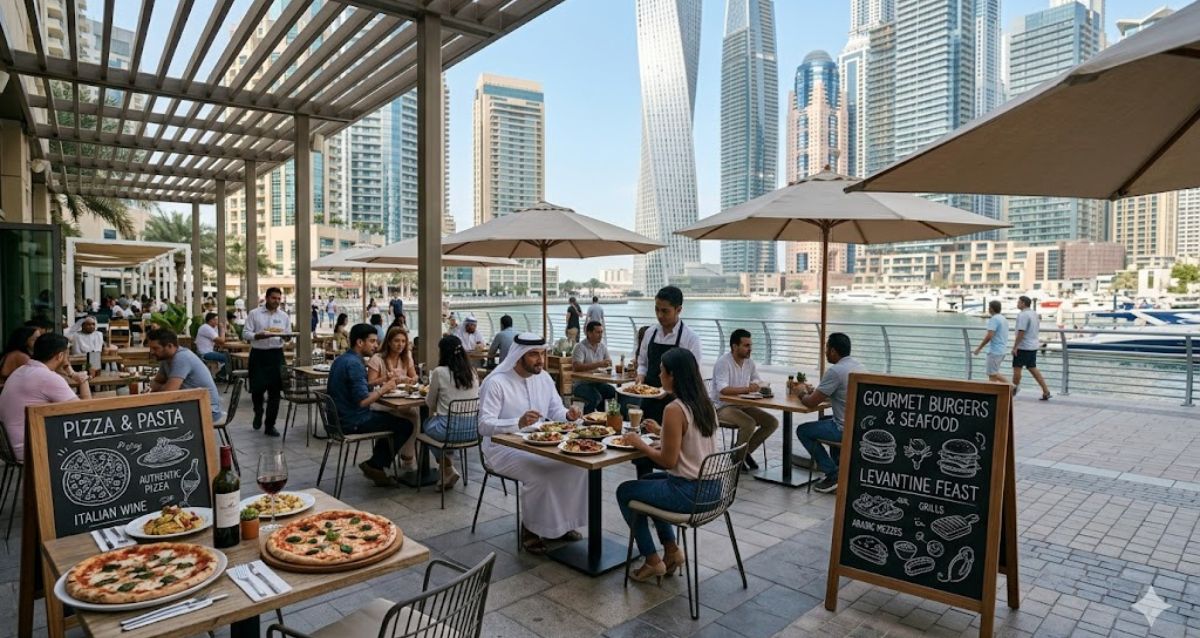
There is a structured 9-10 step path from concept to opening, and skipping steps can cause months of licensing delays. The entire process requires careful planning and precise sequencing.
Timelines for a straightforward mainland restaurant license Dubai UAE are typically 2-4 weeks after securing suitable premises, depending on approvals and fit-out complexity. Sequence matters: trade name and initial approval come first, followed by layout approvals, tenancy registration (Ejari), food license, fire clearance, then final trade license and visas.
Flyingcolour® can act as a single point of contact, coordinating between DET, Dubai Municipality, Dubai Civil Defence, landlord, and free zone authorities where relevant.
Step-by-Step Process to Start a Restaurant in Dubai
There is a structured 9-10 step path from concept to opening, and skipping steps can cause months of licensing delays. The entire process requires careful planning and precise sequencing.
Timelines for a straightforward mainland restaurant license Dubai UAE are typically 2-4 weeks after securing suitable premises, depending on approvals and fit-out complexity. Sequence matters: trade name and initial approval come first, followed by layout approvals, tenancy registration (Ejari), food license, fire clearance, then final trade license and visas.
Flyingcolour® can act as a single point of contact, coordinating between DET, Dubai Municipality, Dubai Civil Defence, landlord, and free zone authorities where relevant.
Define Your Concept, Business Activity, and Legal Structure
The foundation of any successful restaurant setup in Dubai is a clearly defined concept. Whether you're launching a British bistro, a premium burger brand, a speciality coffee shop, an Indian vegetarian restaurant, or a delivery-only kitchen, your concept needs to be locked in before anything else moves forward. This matters because the business activity listed on your licence must accurately reflect how you actually intend to operate.
DET and free zone authority activity lists draw clear distinctions between a Restaurant, a Cafeteria, and a Central Kitchen — and choosing the wrong activity code at the start can create serious complications further down the line, particularly if you plan to add catering or home delivery to your offering later.
Once your concept and activity are defined, the next decision is legal structure. The most common form for restaurant company formation in Dubai is a mainland Limited Liability Company (LLC), which accommodates between 2 and 50 shareholders, offers liability protection, and provides the flexibility needed for future growth. Sole establishments and civil companies are also available depending on your ownership situation and expansion plans, but the LLC remains the preferred structure for most F&B investors — both foreign and local.
It is important to note that your legal structure and your licences are distinct requirements. Before you can open and trade, you will need both a trade licence and a food safety licence, regardless of which legal form you choose.
For those entering Dubai through a franchise model, additional documentation is typically required during the licensing process, including the franchise agreement and a No Objection Certificate from the brand owner.
Flyingcolour® reviews activity codes thoroughly at this stage to ensure your licence covers your full intended scope of operations — preventing costly amendments or restrictions after your business is already up and running.
Choose a Strategic Location
Choosing a strategic location is critical for a restaurant’s success in Dubai, as high-footfall areas like shopping malls and tourist hotspots can drive greater customer traffic, albeit at higher rental costs. Consider options between malls (Dubai Mall, Mall of the Emirates), high-footfall areas (Downtown, Dubai Marina, JBR), business districts (DIFC, Business Bay), and residential communities (JVC, JLT, Mirdif).
In Dubai, your location defines your visibility and your rent-to-revenue ratio. The location of a restaurant significantly impacts its visibility and accessibility, which are essential for attracting customers and ensuring business success. One of the biggest challenges when starting a restaurant in Dubai is securing a prime location that attracts sufficient foot traffic while managing high rental costs.
DET and Dubai Municipality have minimum space and layout rules for commercial space: dedicated kitchen and dining area, separate food storage, waste area, staff toilets, and clear loading access. Rents in 2026 range from around AED 80,000 per year for small community units to over AED 2-3 million per year for flagship mall outlets in prime locations.
The tenancy contract must allow F&B activity. Negotiate fit-out period, rent-free months, and landlord contribution where possible. Choosing locations previously used as a restaurant can reduce complexities and costs associated with infrastructure changes.
Reserve Trade Name and Obtain Initial Approval
Apply for a trade name via DET e-services (or relevant free zone portal) following UAE naming rules: no offensive terms, no religious references, correct legal suffix (LLC). Trade name approval often takes 1-2 working days.
Once reserved, apply for Initial Approval Certificate from DET or free zone, confirming no objection to proposed activity and shareholders. Obtain initial approval typically takes around 3-5 working days if documents (passport copies, basic application) are complete.
Initial approval is normally required before signing the final lease agreement and submitting detailed restaurant layout plans to Dubai Municipality. The preliminary approval confirms your chosen legal form and business activity. Flyingcolour® can suggest name options that comply with local regulations and are acceptable for international branding.
Get Layout Approval from Dubai Municipality
After obtaining initial approval, you must submit your restaurant’s layout and design plans to the Dubai Municipality for review and approval to ensure compliance with health, safety, and hygiene regulations. This application process happens through the FoodWatch system.
Key technical points the architect must cover:
- Kitchen size and ventilation systems
- Grease traps and drainage
- Dishwashing areas and dry/cold storage
- Staff changing rooms and hand-wash stations
- Waste disposal routes
Using a consultant familiar with Dubai Municipality guidelines and the Dubai Food Code reduces risk of rejection and rework. Typical review can take 1-2 weeks depending on complexity, and no major construction should start until layout is approved. Flyingcolour® coordinates between client, fit-out contractor, and Municipality to fast-track comments and revisions.
Apply for Restaurant Trade License and Food License
To legally operate a restaurant in Dubai, you need to obtain both a trade license from the DED and a food establishment permit from the Dubai Municipality, which ensures compliance with hygiene and safety standards.
Documents generally required:
- Initial approval certificate
- Signed Memorandum of Association (for LLC)
- Ejari-registered tenancy contracts
- Layout approval
- Passport copies
- Corporate documents if shareholder is a company
Typical processing time for restaurant license Dubai UAE: 5-10 working days after all approvals and fee payments, assuming no missing documents. The licensing process for the food license involves application through Dubai Municipality systems and may involve pre-opening inspection scheduling.
Flyingcolour® manages necessary documentation, notarisation, Arabic MOA drafting, and application process to reduce errors and appeals.
Secure Additional Government Approvals (If Applicable)
Depending on concept, additional permits may include:
- Liquor license (if your restaurant intends to serve alcoholic beverages, you must obtain a liquor license from the Dubai Department of Tourism and Commerce Marketing)
- Shisha permit
- Outdoor seating permit
- Signage permit
- Music/entertainment permit
- Valet parking approval
A fire safety certificate is mandatory, confirming that your restaurant meets fire prevention and safety standards, which includes passing an inspection by the relevant fire safety authorities (Dubai Civil Defence). This covers fire alarm systems, extinguishers, emergency exits, and gas safety checks.
Some malls and free zones have their own design review committees and HSE approvals in addition to government bodies. Flyingcolour® can map all required approvals based on concept and location at the start, preventing last-minute opening delays.
Sign Tenancy Contract and Register Ejari
Once the unit is confirmed, sign a commercial tenancy contract with the landlord, Ejari registration in Dubai’s official rental system is compulsory for DET mainland licenses and certain utility connections.
The Ejari certificate number is required for final license issuance. Ensure the trade name and activity on tenancy documents match planned restaurant activity to avoid DET queries.
Flyingcolour® can review lease clauses (sub-leasing, termination, rent increases, fit-out responsibilities) from a compliance standpoint.
Hire Staff, Arrange Visas and Complete Labour Compliance
Restaurant owners must register with MOHRE and the General Directorate of Residency and Foreigners Affairs (GDRFA) to sponsor staff visas.
Basic steps:
- Obtain establishment card
- Apply for labour quota
- Process work permits and entry permits
- Complete medical tests
- Obtain Emirates ID and residence visas
A health and safety certificate is required to confirm that your restaurant adheres to cleanliness and safety standards and passing inspections from authorities.
UAE labour law requires written contracts, timely salary payments (via WPS), annual leave, and health insurance. Flyingcolour®’s PRO and visa team can process bulk visas, health cards, and renewals so restaurateurs can focus on menu and smooth operations.
Restaurant License Types and Typical Costs in Dubai
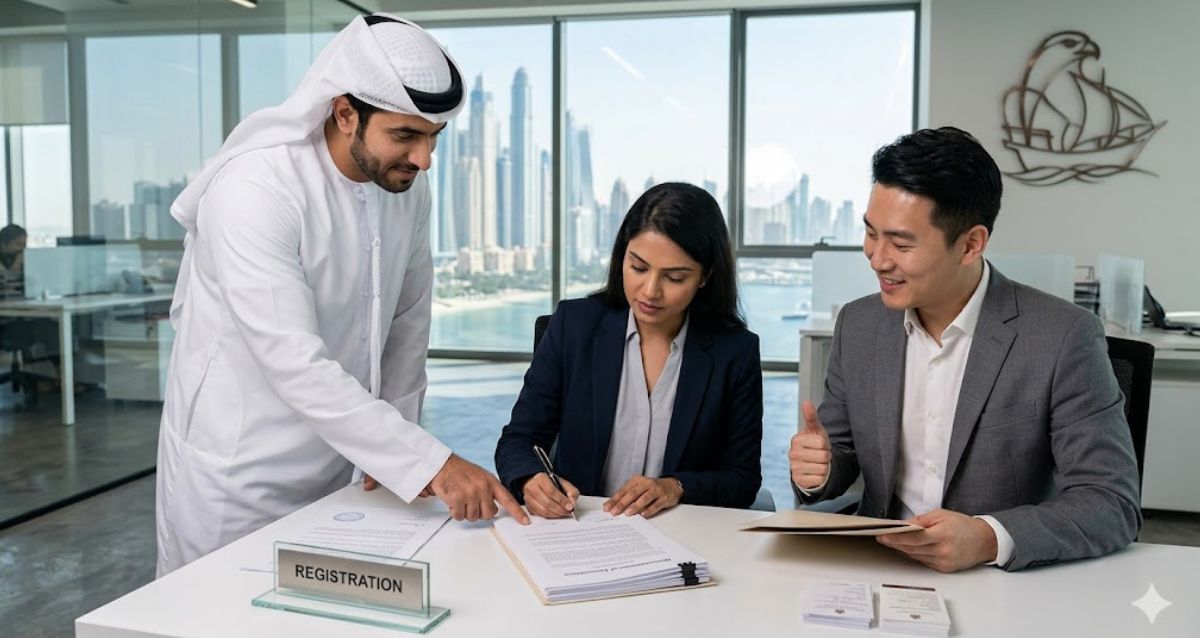
Total cost to start restaurant in Dubai depends on size, location, concept, and whether you choose standalone, mall-based, or cloud kitchen model, depending on factors such as size, location, and concept.
Figures in this section are indicative 2026 ranges—government fees change, so always verify the latest schedule via consultants or DET. Budget wisely by splitting costs into license and approval fees, premises and fit-out, staffing and visas, and marketing and working capital.
Main Restaurant License Types
|
License Type |
Issuing Authority |
Scope |
|---|---|---|
|
Restaurant license |
DET/Free Zone |
Dine-in, delivery, full service |
|
Café/Cafeteria |
DET/Free Zone |
Smaller kitchens, lighter menus |
|
Central Kitchen/Catering |
DET/Free Zone |
Large-scale production, B2B |
License and Government Fee Ranges
Trade license fees for restaurants in Dubai generally range between AED 10,000 and AED 20,000, with additional food safety licenses costing between AED 8,000 and AED 12,000. Obtaining a food safety license involves submitting an application to the Food Safety Department and undergoing inspections to ensure compliance with health standards.
Flyingcolour® can prepare a tailored cost breakdown for mainland vs free zone options before the investor commits funds.
Premises Rent and Fit-Out Costs
Rent for prime restaurant locations in Dubai can vary significantly, ranging from AED 10,000 to AED 50,000 per month, depending on the area and foot traffic. Commercial rents in popular areas such as Downtown Dubai, Dubai Marina, JBR, and major malls can range from AED 250 to over AED 800 per sq ft per year.
Fit-out expenses for a restaurant in Dubai depending on the scale and concept.
Flyingcolour® can connect clients with UAE-based fit-out partners experienced.
Staffing, Visas and Operating Costs
Typical initial staffing for a 50-60 cover restaurant: head chef, 2-4 cooks, 4-6 waiters, restaurant manager, cleaners, potentially a cashier/barista. Initial visa and onboarding costs (government fees, medical, Emirates ID, insurance) total around AED 3,500–7,000 per employee.
Flyingcolour® assists with bookkeeping, payroll processing, and VAT filings to track ongoing costs accurately.
Common Challenges When You Start Restaurant in Dubai (and How to Overcome Them)
Even strong concepts can struggle without planning for real-world issues: rent pressure, staffing turnover, strong competition in the local market, and regulatory complexity. Leveraging technology, software, and modern equipment can help streamline operations, improving efficiency and customer service. Over 70% of diners check social media before choosing a restaurant, making digital presence essential alongside operational excellence.
Finding and Securing the Right Location
Common difficulties include long mall waiting lists, key money demands (AED 100,000+), competition from established brands, and landlords preferring franchises. Consider emerging communities like Dubai Hills, Town Square, or Arjan. Test via cloud kitchen before committing to flagship space.
Study neighbouring tenants, parking, access roads, and visibility from main routes. Examine past tenant history—frequent closures can indicate location viability issues. Flyingcolour® advises whether a location’s trade license category history may simplify approvals.
Navigating Multi-Agency Approvals
Navigating the complex approval process for multiple licenses and permits can be time-consuming and may lead to delays in opening a restaurant in Dubai. Approvals must be sequenced between DET, Dubai Municipality, Civil Defence, utility providers, and sometimes free zone authorities.
Common mistakes: starting construction before layout approval, ordering gas systems before Civil Defence review, or applying for wrong activity code. Maintain a central checklist with target dates and engage a setup consultant. Flyingcolour® handles Arabic drafting, attestation, and regular follow-ups at government counters.
Staffing, Training and Retention
Finding skilled staff and managing high employee turnover rates in Dubai’s competitive labor market is a significant hurdle for restaurant owners. Restaurants often see 30-50% annual turnover, impacting consistency and guest experience.
Mitigations include clear HR policies, incentive schemes tied to KPIs, internal training plans, and building CV pipelines with recruitment partners. Cross-train staff to handle multiple roles during quieter periods. Flyingcolour®’s ongoing PRO support makes visa transfers, renewals, and cancellations predictable.
How Can Flyingcolour® Business Setup Help You?
Flyingcolour® is a UAE-based business setup, accounting, and tax advisory firm with deep experience supporting UK and international entrepreneurs entering Dubai’s F&B sector. The firm provides end-to-end support: from feasibility and structure selection to licensing, visas, banking, VAT, and audit for restaurant company formation Dubai.
Clients benefit from transparent cost estimates, clear timelines, and a dedicated consultant coordinating with all relevant authorities. Whether you’re planning a casual café or fine dining establishment, Flyingcolour® streamlines operations from concept to commence operations.
Restaurant Business Setup and Licensing Support
Flyingcolour® assesses whether mainland DET, a particular free zone, or a hybrid structure best suits your restaurant plans and future expansion.
Services include:
- Trade name reservation and initial approval
- Drafting and notarising MOA
- Lease review and Ejari registration
- Applying for restaurant and food licenses
- Coordinating with Dubai authorities
The team keeps clients updated on 100% foreign ownership options and sector-specific legal requirements. UK-based owners can sign many documents remotely via power of attorney, only travelling for banking and visa stamping when necessary.
PRO, Visa and Corporate Bank Account Services
Flyingcolour®’s PRO services cover establishment card, staff visas, dependants’ visas, Emirates IDs, labour contracts, and immigration file maintenance. The firm assists in shortlisting UAE banks suited for F&B businesses, preparing KYC files, and arranging meetings to open corporate accounts.
Compliance with UBO registers, and anti-money laundering rules is included where relevant. Having all government and banking processes under one roof reduces risk of inconsistent information across applications.
Accounting, VAT, Audit and Ongoing Compliance
Flyingcolour® offers complete accounting services tailored to restaurants, including monthly bookkeeping, payroll, management reports, and cash flow tracking. VAT consultancy UAE services cover registration, return filing, invoicing compliance, and input tax optimisation on fit-out and equipment.
Audit services and year-end accounts preparation may be required by some free zones, banks, or investors as the restaurant’s success grows. Contact Flyingcolour® via phone, email, or website form for a no-obligation discussion about starting a restaurant in Dubai.
FAQs About Starting a Restaurant Business in Dubai
These FAQs answer practical questions frequently asked by new restaurant investors in Dubai.
What licenses are required to open a restaurant in Dubai?
You generally need a trade license from DET or free zone authority and a food establishment license from Dubai Municipality’s Food Safety Department. Dubai Civil Defence approval for fire safety is also mandatory. Depending on concept, you may need outdoor seating permit, signage permit, liquor license (if operating within a hotel or eligible venue), music/entertainment permit, or shisha permit. Flyingcolour® maps exact licenses once concept and location are defined.
What are the food safety regulations for restaurants in Dubai?
Dubai applies strict food safety rules under the Dubai Food Code and requires registration on FoodWatch for all food establishments. Rules cover kitchen design, storage temperatures, cross-contamination prevention, cleaning and pest control, staff training, and documentation of procedures. Dubai Municipality conducts scheduled and surprise inspections; repeated major violations can lead to fines and temporary closure.
Can expatriates open a restaurant in Dubai with 100% ownership?
Following foreign ownership reforms, many restaurant and F&B activities on the “positive list” allow 100% foreign ownership on mainland in Dubai as of 2026. In some specific cases or related activities, a local partner may still be required—verify for your exact activity code. Free zones have allowed 100% foreign ownership for years but may limit where you can sell directly. Flyingcolour® advises on the best route for each client.
What approvals are needed from Dubai Municipality for a restaurant?
Key Dubai Municipality approvals include restaurant layout/plan approval, food establishment license, FoodWatch registration. Municipality also coordinates food safety inspections before and after opening and may need updated approvals if layout or concept significantly changes. Flyingcolour® manages submissions and liaises with Dubai Municipality and food safety departments.
Therefore, to learn more about How To Start a Restaurant Business in Dubai, Book a free consultation with one of the Flyingcolour Business Setup team advisors.
The article was published on 6/5/2026. It is important to note that the federal policies and updates mentioned may have changed since then. For the most current information, please contact our consultant.